The Long Goodbye to the US Dollar: The Thirtieth Newsletter (2026)
The dollar may appear to be a neutral currency, yet it is in fact a form of imperial power, disciplining economies, financing war, and forcing the Global South to fund its own subordination.
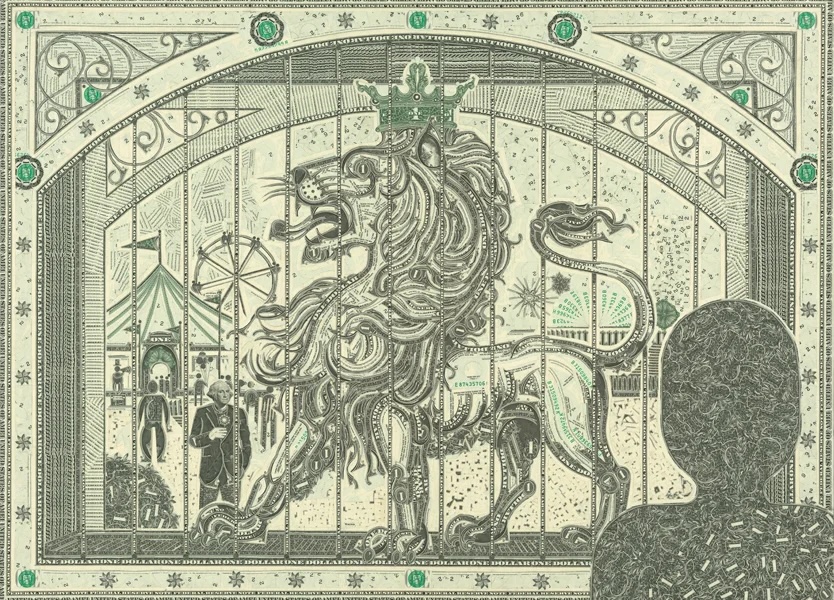
Mark Wagner (US), Fit for a King, n. d.
Dear friends,
Greetings from the desk of Tricontinental: Institute for Social Research.
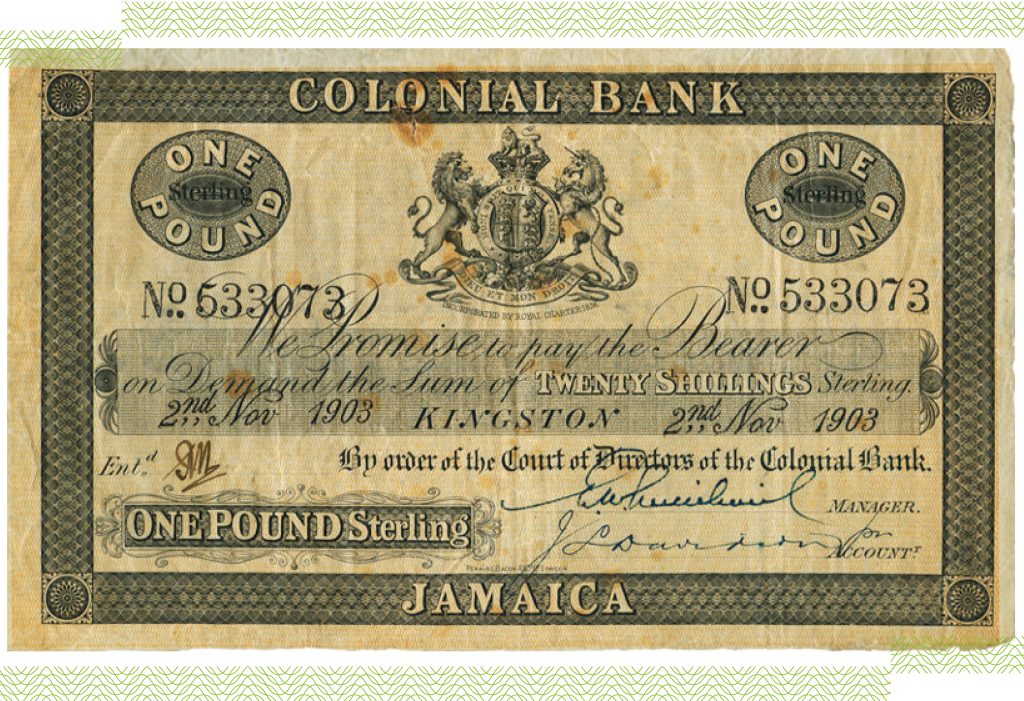
There are moments in history when a system appears so complete that it becomes difficult to imagine its end. When Britannia ‘ruled the waves’, it was thought in large parts of the world that sterling was not merely a currency but the natural language of commerce itself. Since the mid-twentieth century, the United States has spoken of the US dollar in much the same way. Writing in 1980, amid the crisis of the post-Bretton Woods order, the Argentine economist Raúl Prebisch observed that ‘in the United States the illusion of the almighty dollar held sway’. By then, however, this was not only a US illusion. The dollar had already become the world’s principal reserve currency and the dominant currency of international trade. Now that illusion has begun, slowly and unevenly, to fray.
Our latest dossier, The Architecture of Power: The Dollar, Financialisation, and the Struggle for Sovereignty, shows that the dollar is not merely money but an institution of imperialist power. The dollar system organises trade, determines access to credit, disciplines governments, finances war, and reproduces a hierarchy between the Global North and the Global South. The debate over the dollar is therefore not a matter of preferring one currency to another – the dollar over the renminbi (RMB) or the euro – but whether humanity can construct an international monetary order that serves development rather than domination.
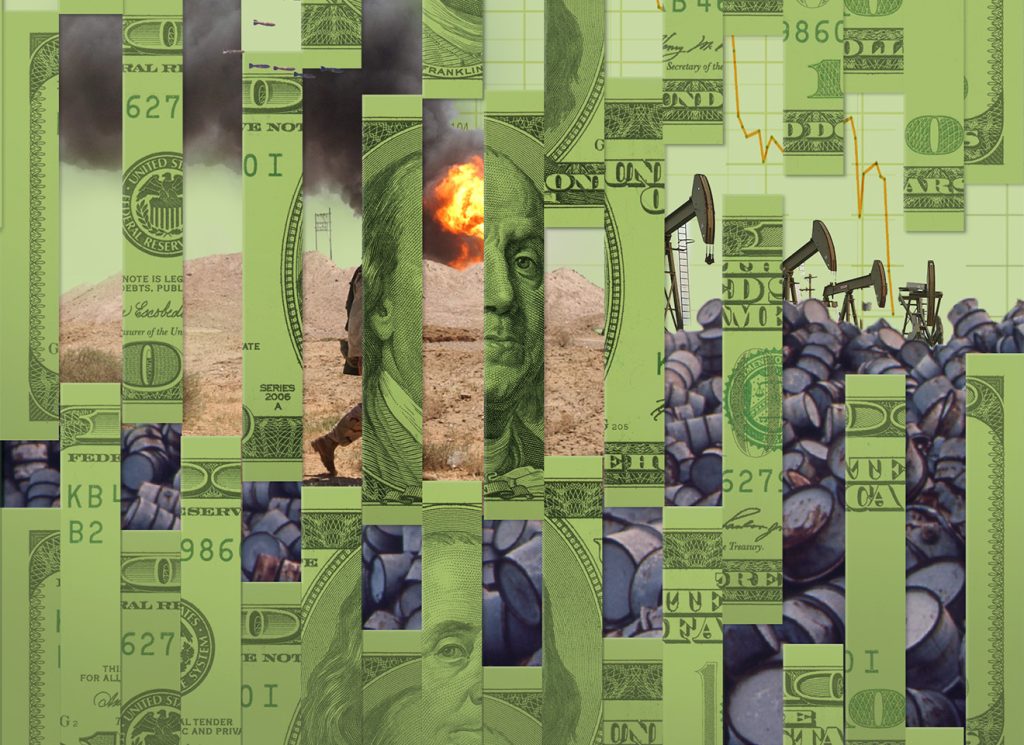
The temptation in recent years has been to answer this question too hastily. Every bilateral agreement settled in RMB instead of dollars, every announcement from BRICS+ about local currency trade, every increase in central bank purchases of gold has been greeted with declarations that de-dollarisation has arrived. The headlines are seductive, but the reality is considerably more complicated. One of the great strengths of our dossier is its refusal to confuse political desire with economic reality.
At the same time, something profound has changed. The United States has increasingly transformed the dollar from an instrument of exchange into an instrument of coercion. Financial sanctions, the freezing of sovereign reserves, exclusion from payment systems, and the weaponisation of international finance have demonstrated to governments across the Global South that dependence on the dollar carries growing political risks. When roughly half of Russia’s foreign exchange reserves were frozen, many finance ministries across the world quietly asked themselves a question that had previously seemed almost unimaginable: if this can happen to Russia, why not to us? The dollar, once presented as politically neutral, has revealed itself as deeply embedded in the strategic objectives of the United States.
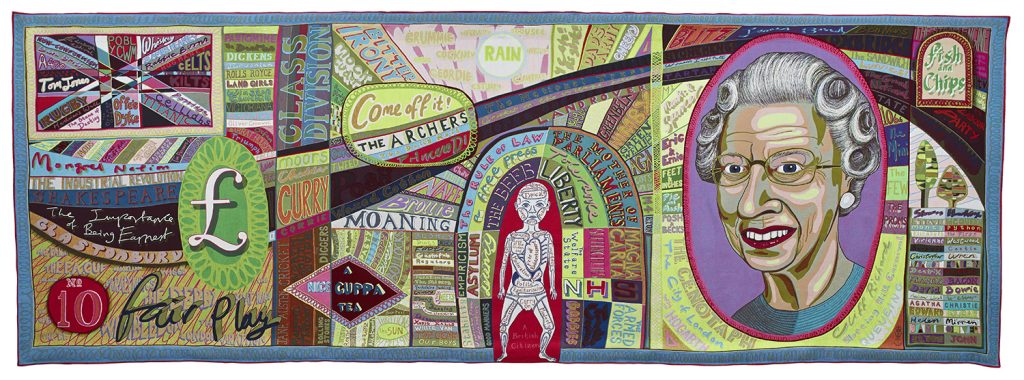
Sir Grayson Perry (UK), Comfort Blanket, 2014.
The dollar continues to dominate the world economy not because the United States produces most of the world’s goods, which it does not, nor because it accounts for most of world trade, which it does not. Rather, the dollar dominates the world economy because the international financial system is built around it and because markets built over generations generate immense network effects. Reserve currencies cannot be reduced to mediums of exchange. They are also stores of value, units of account, settlement mechanisms, and the foundations upon which vast financial markets are constructed. Governments hold dollars because other governments use dollars, and banks lend in dollars because borrowers expect to repay in dollars. As the dossier carefully demonstrates, the dollar continues to account for the largest share of commodity pricing, foreign exchange transactions, official reserves, and trade finance, even though the relative economic weight of the US has steadily declined. This contradiction – between the declining productive weight of the United States and the continued centrality of the dollar – is what gives the debate over de-dollarisation its urgency.
While much of the industrial dynamism of the twenty-first century now lies across Asia rather than the North Atlantic, finance remains organised around Wall Street. Production and finance operate through different geographies, and that divergence cannot resolve itself automatically. The opening of a gold vault in Hong Kong, for instance, demonstrates the rapid expansion of bullion storage and trading infrastructure in Asia, but such developments do not by themselves create a new monetary order. Britain remained the world’s financial centre long after its industrial supremacy eroded, and so too the US continues to enjoy ‘exorbitant privilege’ through the global use of the dollar long after its share of manufacturing has plummeted. The decisive question is not whether the dollar system is in decline (it is) but what could realistically replace it.
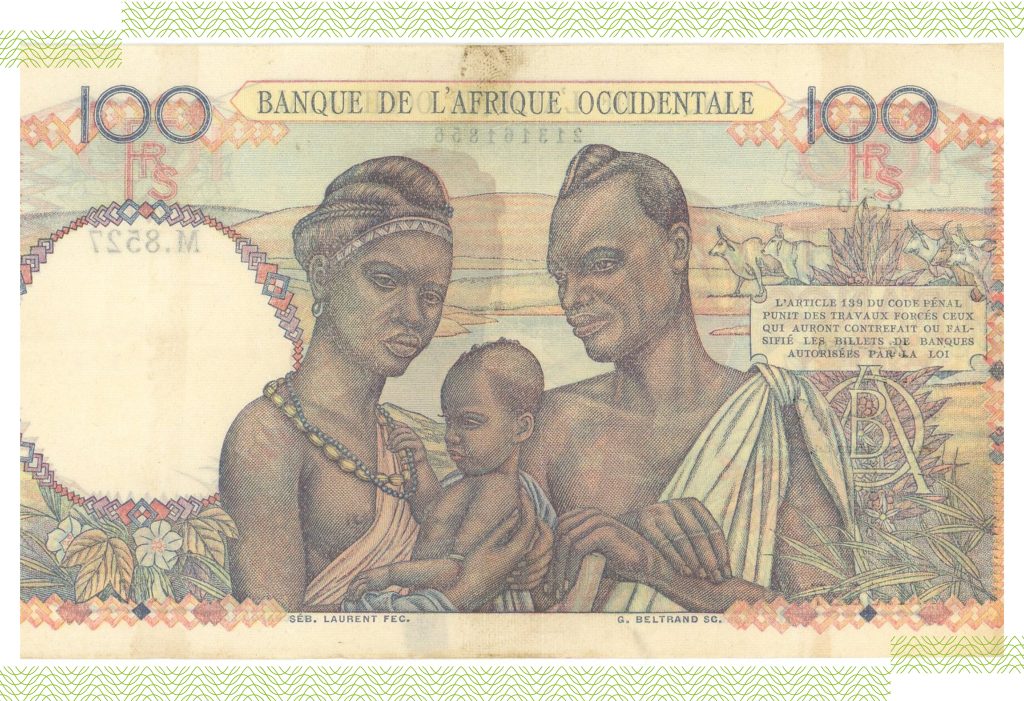
Yet the transition beyond the dollar will depend not only on economic shifts but also on institutional innovation and construction. In his recent paper Geopolitics and International Money – A Path to a New Reserve Currency, former executive director of the International Monetary Fund and former vice president of the New Development Bank Paulo Nogueira Batista, Jr. asks the question: what institutional architecture would be required to construct an alternative to the dollar system? Nogueira Batista argues that the RMB will not simply replace the dollar, which would neither be likely nor desirable. The Chinese government has little interest in such a move because it would require much greater capital account liberalisation, allowing capital to move more freely into and out of China. That could expose the country to destabilising financial flows, push up the value of the RMB, make Chinese exports more expensive, and weaken precisely the productive advantages that have made China’s development possible. Chinese economist Yu Yongding has advanced important proposals to expand the international use of the RMB, including in the context of BRICS+ debates on de-dollarisation, but even these proposals do not suggest replacing US monetary hegemony with Chinese monetary hegemony.
Over the course of the past decade, bilateral and multilateral currency settlement systems have rapidly expanded. These include Russia’s Financial Messaging System (SPFS), developed in 2014; China’s Cross-Border Interbank Payment System (CIPS), launched in 2015; local-currency settlement frameworks such as the arrangement between Indonesia, Malaysia, and Thailand established in 2018; central bank agreements that allow countries to access one another’s currencies in times of need; and specialised accounts, such as Gazprombank’s K accounts, that allow certain cross-border payments to bypass dollar-based channels. Though these instruments have not yet replaced the dollar system, they are part of the infrastructure from which a new financial order could emerge.
Nogueira Batista presents a more ambitious plan for the gradual construction of a new reserve asset, created collectively by a coalition of Global South countries, supported by a new international institution, and designed exclusively for international settlements and reserve holdings rather than for domestic circulation. Such a currency would not abolish national currencies, but it would function as a common reserve instrument capable of reducing dependence on the dollar. As our dossier argues, the significance of institutional alternatives to the dollar is not in the immediate replacement of one monetary framework by another but in the building of durable infrastructures capable of enhancing the emancipation of humanity.
Yet institutions alone cannot exhaust the deeper question. The weakening of the dollar-centred order raises a problem larger than the design of a new reserve currency or a different payments architecture. The central problem is not merely monetary but developmental. The institutions that emerged after the Second World War organised global finance around the protection of wealth rather than the transformation of production, rewarding speculation while constraining industrialisation across much of the formerly colonised world. A new monetary order must therefore be judged not by exchange-rate stability alone but by its capacity to finance structural transformation, technological upgrading, food sovereignty, ecological transition, and decent employment. Capital controls, development banks, payment systems, and reserve assets should serve to expand productive capacities rather than accumulate financial claims. In this sense, the successor to the dollar regime cannot simply replace one international currency with another. It must embed finance within a broader architecture of development so that monetary cooperation becomes an instrument for shared prosperity, sovereign development, and the reduction of global inequality.
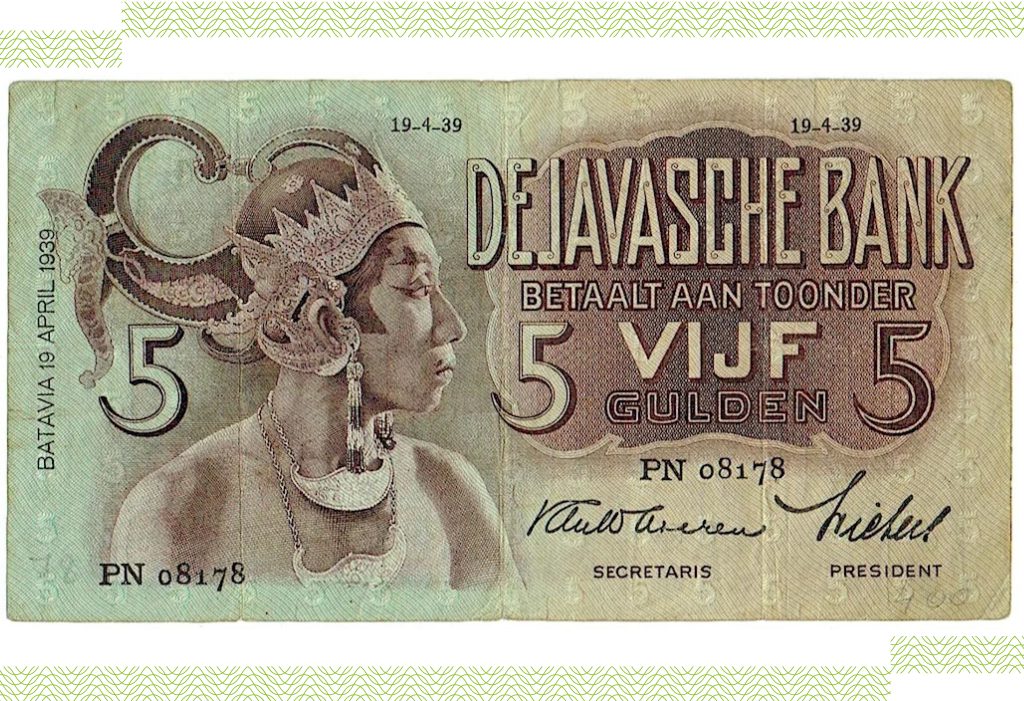
Money is central to everything in our world because so much of life has been commodified and brought under the discipline of the capitalist market. Water is bottled and air is conditioned, while nostalgia for barter remains at the margins of all negotiations. The dollar hangs above us, and behind it stands the vast military arsenal of the United States and the political will to use that force to defend its money. When Washington Irving wrote of ‘the almighty dollar’ in ‘The Creole Village’ (1837), the phrase was premature. In our own time it has come to feel almost natural. The wealth of the Global South’s resource-rich countries leaves in dollars and returns in debt, while the unreal cities of money such as London and New York glitter with the world’s social wealth.
But there is a shudder here and there, as our dossier indicates. We do not want to exaggerate the reality of de-dollarisation: we want to show how the dollar regime continues to operate today, how it has weakened, and why it remains structurally intact.
Warmly,
Vijay